
By Jerrel from Dododots, Dododots Product Team. Last updated: 22 Oct 2026.
Use a pimple patch for one spot that has a head or has opened, and a spot treatment for spots that are still forming or keep coming back. A patch covers a spot and soaks up fluid. A spot treatment is a cream or gel with an active ingredient, like benzoyl peroxide or salicylic acid, that works on the skin itself.
Plenty of people use both, just not stacked on top of each other. New to patches? Start with what a pimple patch is and how to use one.
What's the difference between a pimple patch and a spot treatment?
A pimple patch is a small sticker, usually made of hydrocolloid, a gel that takes up fluid and covers the spot so you can't pick it. A spot treatment is a leave-on product with an active ingredient that unclogs pores, cuts bacteria or calms redness. One protects a spot, the other changes what's happening in the skin.
| Pimple patch (plain hydrocolloid) | Spot treatment (cream, gel or lotion) | |
|---|---|---|
| What it is | A gel sticker that sits on top of one spot | A product with an active ingredient you dab or spread on |
| How it works | Takes up fluid near the surface and keeps fingers off | Works in the pore: unclogs, cuts bacteria or calms redness, depending on the ingredient |
| Spots it suits | Spots with a white head, or ones that have opened | Early spots, blackheads and whiteheads, and areas that break out often |
| Stops new spots? | No | Some can, with regular use over weeks |
| Main downsides | Adhesive can irritate. Does little for deep spots | Dryness, peeling and stinging. Benzoyl peroxide can bleach fabric |
| Shows on skin? | Yes, unless clear or skin-tone. Design patches are made to be seen | Usually not once it dries |
| Best for | One spot you want to cover and stop picking | Spots that are forming, or breakouts that keep coming back |
Verdict: in pimple patch vs spot treatment, the patch is for the spot you can see today, and the cream is for the skin around it.
Which is better for each kind of spot?
A patch suits a whitehead or an opened spot, because the fluid sits close to the surface. A spot treatment suits blackheads, small closed bumps and areas that break out often, but neither reaches a deep, painful cyst, so see a pharmacist or dermatologist for those, as The Conversation (Sep 2026) also advises.
| Spot | Pimple patch? | Spot treatment? | Notes |
|---|---|---|---|
| Whitehead with a visible head | Yes, the best match | Optional | The patch also stops you squeezing it |
| Spot you've already popped | Yes | Not on open skin | Cover it and leave it alone |
| Red bump, no head yet | Only to stop picking | Yes | A plain patch has little to take up yet |
| Blackheads | No | Yes, salicylic acid or adapalene | It's a clogged pore, not fluid |
| Lots of spots at once | No | Yes, on the whole area | Patches cover one spot each |
| Deep, painful cyst | No | Not enough on its own | See a pharmacist or dermatologist |
The evidence for patches is promising but small. In one industry-funded study of 37 people, covered spots were 35% smaller and looked 44% less inflamed after two days, according to The Conversation (Sep 2026). That study looked at spots with a head, which is where patches fit best.
Think a patch can clear acne? That's one of the pimple patch myths we bust.
What's in a spot treatment, and how good is the evidence?
The two ingredients with the strongest backing are benzoyl peroxide and topical retinoids like adapalene. The American Academy of Dermatology's acne guidelines (Jan 2024) give both a strong recommendation, and salicylic acid a weaker, conditional one.
| Ingredient | What it does | Typical shop strength | Evidence (as of Oct 2026) | Watch out for |
|---|---|---|---|---|
| Benzoyl peroxide | Cuts acne bacteria and excess oil | 2.5% to 10% | Strong (AAD, 2024) | Dryness, stinging. Can bleach hair and fabric |
| Adapalene | A retinoid that unclogs pores | 0.1% gel | Strong (AAD, 2024) | Stinging, peeling. Not on cuts, sunburn or eczema |
| Salicylic acid | Helps unclog pores | 0.5% to 2% | Conditional (AAD, 2024) | Mild stinging, dryness |
| Sulfur | Common in drying lotions | Varies | Uncertain (Cochrane, 2020) | Dryness |
Strengths come from Mayo Clinic (May 2024), which says lower-strength benzoyl peroxide works as well as stronger versions. It suggests starting with 2.5% to lower the risk of side effects. Mayo also notes shop acne products can take 2 to 3 months of daily use to show results.
Can you put a spot treatment under a pimple patch?
Most dermatologist advice says no, unless your own dermatologist tells you to. A patch seals in whatever is under it, so strong actives can irritate more than usual, according to Everyday Health (Jan 2026). Maitland Dermatology (Oct 2026) says to put an active on the skin and let it dry, and use a plain patch separately.
Dermatology Times (Aug 2026) adds that there's not enough data to say medicated patches beat plain ones, and added actives may raise the risk of irritation. If you want both, keep them apart in time or place. Here's one simple way to do it:
- Morning: wash, pat dry and put a plain patch on the spot with a head.
- During the day: leave it on for at least 6 to 8 hours, or until the centre turns white (here's how long to leave a pimple patch on).
- Evening: peel it off, wash gently and let the skin dry fully.
- Night: put a thin layer of your spot treatment on as the pack says, with no patch on top.
- Next day: if the skin looks red, dry or peeling, cut back on the spot treatment.
You can flip it and patch at night instead, as long as the two don't overlap on the same spot. For a full routine with retinoids and acids, see our patch types guide.
Which should you choose for sensitive skin?
If your skin reacts easily, a plain patch with no added ingredients is usually the gentler pick for a single spot. Spot treatments often cause dryness and stinging at first, per Mayo Clinic (May 2024). Patches can still irritate if you react to adhesive, notes Cleveland Clinic (Nov 2025), so try one first.
For a spot treatment, start low, like 2.5% benzoyl peroxide rather than 10%, and build up slowly over a few weeks, as Mayo Clinic suggests. Take a patch off if the skin under it turns red or itchy, since that's often the adhesive or an added ingredient. Our guide on how to choose the best pimple patch has more on picking one for sensitive skin.
When should you see a pharmacist or dermatologist instead?
See one if your spots are deep and painful, leave marks or scars, or cover a lot of your face. Patches and shop spot treatments are for mild, occasional spots. As Cleveland Clinic's Dr. Kassouf puts it (Nov 2025), "For overall acne treatment, there is little use for pimple patches."
Mayo Clinic (May 2024) suggests seeing a doctor or dermatologist if your skin hasn't improved after 2 to 3 months with shop products. In Malaysia, a pharmacist at Watsons, Guardian or CARiNG is a good first stop for advice on shop products.
Where do Dododots fit in?
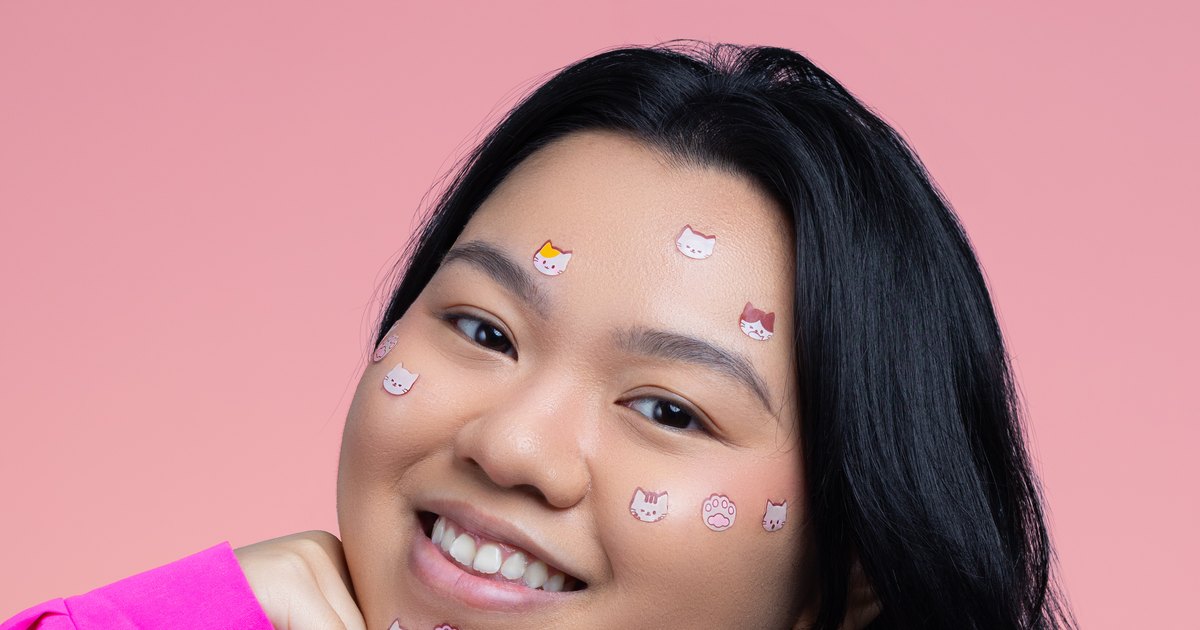
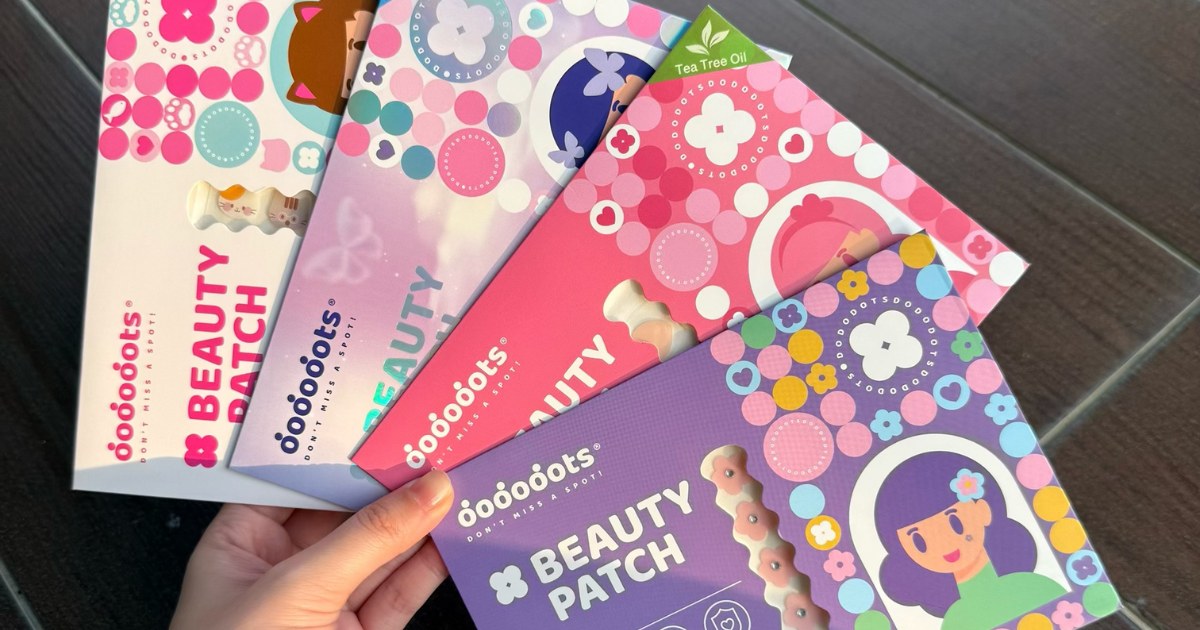
Dododots makes hydrocolloid pimple patches, so we sit firmly on the patch side of this question. Our patches cover one spot, help you keep your hands off it and turn it into a little face sticker. They're registered with Malaysia's Medical Device Authority (MDA), and we suggest wearing one for at least 6 to 8 hours.
If you already use a spot treatment, a patch without extras keeps things simple. Prices below are from dododots.com, checked 22 Oct 2026.
| Pack | Good if you | What's listed | Price |
|---|---|---|---|
| Butterflies | Use other actives and want no tea tree oil | 20 patches, 12 x 12 mm, no tea tree oil | RM 10.50 |
| Dodobear (with Tea Tree Oil) | Want a clear patch for day, in two sizes | 36 clear bear patches, 12 x 12 mm and 6 x 6 mm | RM 18 |
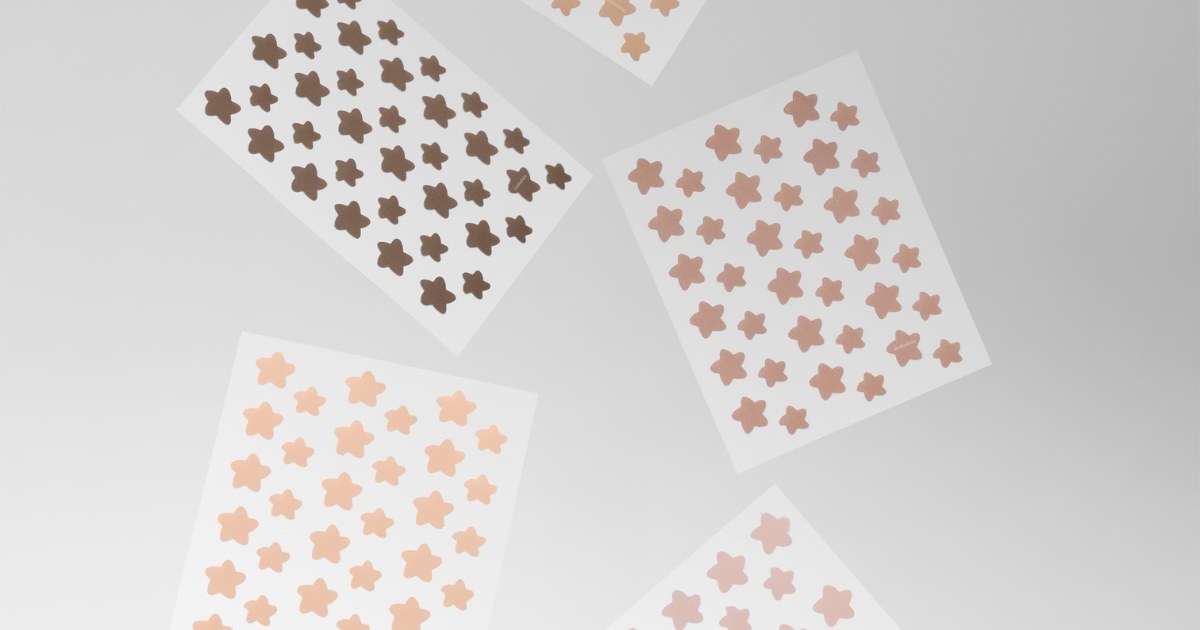
| Dodoskin (with Tea Tree Oil) | Want a concealer patch that blends in | 36 star patches, 5 skin-tone shades | RM 18 |
What a patch won't do is stop the next breakout, so it doesn't replace a spot treatment. Browse the full range, or find us on our official Shopee and TikTok Shop stores. For other brands and prices, see our guide to the best pimple patches in Malaysia.
Frequently asked questions
Are pimple patches or spot treatments better?
Neither is better overall, because they do different jobs. A pimple patch suits one spot with a head or one that's opened, and it stops you picking at it.
A spot treatment with benzoyl peroxide, adapalene or salicylic acid works on the pore and can help with spots that keep coming back, according to Mayo Clinic (May 2024). Many people keep both: a cream for the skin and a patch for the odd spot that surfaces.
Can I put benzoyl peroxide under a pimple patch?
It's best not to, unless your dermatologist says so. A patch traps what's under it, and Everyday Health (Jan 2026) notes this can make irritation more likely.
Benzoyl peroxide already causes dryness and stinging for some people, per Mayo Clinic (May 2024). Use it at a different time of day from your patch, or around the patch rather than under it. Stop if the skin turns red or sore.
Is a pimple patch a spot treatment?
In a loose sense, yes. Dermatology Times (Aug 2026) describes a hydrocolloid patch as care for a single spot, not a swap for regular acne products.
But a plain patch has no active ingredient. It covers the spot and takes up fluid, while a spot treatment cream or gel works on the pore. So if you're asking whether a patch can replace your cream, the answer is usually no.
Should I use a spot treatment or a patch on a popped pimple?
A patch is usually the better pick for a spot you've already popped. It covers the open skin, takes up fluid and keeps fingers away, according to Cleveland Clinic (Nov 2025).
Many spot treatments sting on open skin, so wait until it has closed over. Wash gently, pat dry, then press a plain patch on and leave it for 6 to 8 hours or overnight.
Do tea tree oil patches count as a spot treatment?
Not in the usual sense. A tea tree oil patch is still a hydrocolloid patch first: it covers the spot and takes up fluid, like a plain patch.
Any patch can irritate if you react to an ingredient or the adhesive. If your skin is sensitive or you already use strong actives, pick a patch without tea tree oil. Dododots Butterflies, for example, has no tea tree oil. Here's how tea tree oil pimple patches work.
How long does a spot treatment take to work compared with a patch?
A patch shows a change soonest on spots with a head, often after one night. In one small industry-funded study, covered spots looked smaller after two days, per The Conversation (Sep 2026).
Spot treatments are slower for overall breakouts. Mayo Clinic (May 2024) says shop acne products can take 2 to 3 months of daily use. If nothing has changed by then, see a doctor or dermatologist.
Quick recap
- Pick a patch for one spot with a head or an opened spot.
- Pick a spot treatment for forming spots, blackheads or breakouts that keep coming back.
- Benzoyl peroxide and adapalene have the strongest evidence. Sulfur's evidence is less certain.
- Don't layer a strong spot treatment under a patch. Use them at different times.
- Deep, painful or scarring spots need a pharmacist or dermatologist.
Sources
- American Academy of Dermatology, "American Academy of Dermatology issues updated guidelines for the management of acne" (summary of Reynolds RV et al., Guidelines of care for the management of acne vulgaris, Journal of the American Academy of Dermatology), 31 Jan 2024. https://www.aad.org/news/updated-guidelines-acne-management
- Mayo Clinic Staff, "Nonprescription acne treatment: Which products work best?", 14 May 2024. https://www.mayoclinic.org/diseases-conditions/acne/in-depth/acne-treatments/art-20045814
- Cochrane Database of Systematic Reviews (Liu H et al.), "Topical azelaic acid, salicylic acid, nicotinamide, sulphur, zinc and fruit acid (alpha-hydroxy acid) for acne", 1 May 2020. https://pubmed.ncbi.nlm.nih.gov/32356369/
- Cleveland Clinic, "How Do Pimple Patches Work?", 28 Nov 2025. https://health.clevelandclinic.org/how-do-pimple-patches-work
- Dermatology Times (Marie Bosslett), "Social Media Mythbusters: Hydrocolloid Pimple Patches", 15 Aug 2026. https://www.dermatologytimes.com/view/social-media-mythbusters-hydrocolloid-pimple-patches
- Everyday Health (medically reviewed by Jacquelyn Dosal, MD), "When to Not Use a Pimple Patch, and 5 Other Mistakes to Avoid", 7 Jan 2026. https://www.everydayhealth.com/skin-care/pimple-patch-mistakes-to-avoid/
- Maitland Dermatology (Danielle Perna, MD), "Pimple patches: what they can do, what they cannot, and which kind to buy", 12 Oct 2026. https://maitlandderm.com/blog/pimple-patches-what-works/
- The Conversation via ABC News (Lisa Byrom, University of Queensland), "Do pimple patches actually work? Here's what the science says", 20 Sep 2026. https://www.abc.net.au/news/2026-09-20/do-pimple-patches-actually-work-what-the-science-says/107167316
- Dododots product pages (Butterflies, Dodobear, Dodoskin), checked 22 Oct 2026.

Leave a comment
This site is protected by hCaptcha and the hCaptcha Privacy Policy and Terms of Service apply.